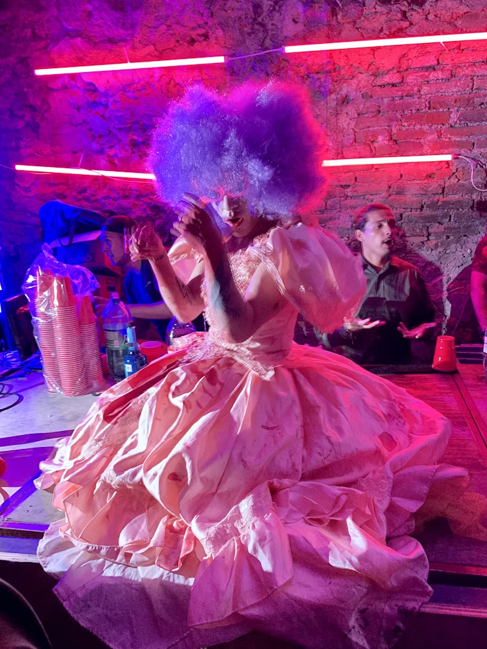
How Drag Fashion Keeps Shaping Style and Identity

Zahirul Islam BUTEX
Latest posts by Zahirul Islam BUTEX (see all)
How Drag Fashion Keeps Shaping Style and Identity
Drag and fashion are linked in the most spectacular of ways, drawing on centuries of dramatic tradition and secretive nightlife. At its heart, drag is all about turning identity on its head, using performance, costume, and makeup to step into an entirely new self. What started in hidden ballrooms and underground clubs is now lighting up runways and red carpets worldwide, leaving a bold mark on how we all view style.
For drag queens, fashion is never just about what you wear. Clothes are a ticket to transformation, a way to break away from outdated gender ideas, and an invitation to challenge expectations. Each look is a chance to tell a story or start a conversation about who gets to be seen and celebrated. With every sequinned dress or gravity-defying wig, drag brings new expressions of identity to the surface—turning fashion into a statement, a celebration, and sometimes, a bit of cheeky fun all at once.
Historical Roots of Drag Fashion
Drag fashion didn’t just appear out of nowhere; its story starts on the dramatic stages of Ancient Greece, where only men acted—meaning every female role required a man in costume, complete with eye-catching makeup and larger-than-life outfits. These weren’t just practical disguises, but gradually became part of the performance, shaping a new kind of creativity that still inspires drag today.
Fast-forward to Renaissance England, and Shakespeare’s theatre kept the tradition alive. With women banned from the stage, men played all characters, sometimes wearing long skirts that “dragged” along the floor. Some say this sparked the term “drag” as slang for these roles. On top of putting on dresses and makeup, actors studied feminine gestures, blurring gender lines in a way that’s familiar to modern drag performers.
Drag picked up momentum with Vaudeville in the late 19th and early 20th centuries. Here, stars like Julian Eltinge didn’t perform as women just because they had to—he did it for the art, enthralling audiences by pushing what it meant to play with gender. Eltinge’s fame showed drag could shine as a solo act, not just a clever solution in repertory theatre. This era marked drag’s move from background comedy to headliner status.
Around the same time, drag balls began making waves—especially within Black LGBTQ+ communities. These gatherings provided not only safe spaces for self-expression, but also a catwalk for innovative looks, from sequinned dresses to sharp suits. Drag balls quickly became the go-to place for turning fashion into a statement, helping to shape the sense of style we now associate with drag culture. Through all this, drag fashion developed layers of meaning and flair, mixing tradition with bold, individual expression.
Evolution of Drag Fashion Across Decades
1920s to 1970s
The drag balls of the Harlem Renaissance in the 1920s and 1930s didn’t just change fashion—they made it feel electric. In Harlem, these gatherings gave Black LGBTQ+ folks a rare and essential chance to shine, turning sequins, shimmering gowns, and sharp suits into a bold statement. The style was lavish, subversive, and utterly unapologetic, shaking off expectations and writing new rules for drag expression. This era planted the seeds for drag’s future, blending glamour and protest at every turn.
Post-war years in the 1940s through 1960s amped things up even more. Drag fashion leaned into the camp aesthetic, with drag queens embracing over-the-top colours and dramatic makeup that made every entrance unforgettable. Hollywood’s glittering icons became unofficial muses—think exaggerated elegance with a pinch of tongue-in-cheek flair. That mix of luxury and playful rebellion quickly became essential to drag’s style, helping performers show the world that fashion could be both an art form and a sharp challenge to old ideas about gender.
By the 1970s, the scene was transforming yet again. Disco’s heady sparkle met the androgyny of glam rock, with platform boots, dazzling makeup, and glitter everywhere you looked. No longer just about escape, drag fashion by now was part protest, part party, and always a celebration of possibility.
1980s to 1990s
Ballroom culture burst onto the scene in the 1980s, powered by Black and Latinx LGBTQ+ communities who turned runways and dancefloors into their own creative playgrounds. Voguing became the showstopper—a dance born from magazines and dreams, filled with sharp angles, fast hands, and striking poses that demanded to be seen. This wasn’t just for show; voguing gave people a voice, letting them invent new styles and challenge the limits of self-expression. The ballroom wasn’t just a place to dance; it was a lifeline, embracing anyone ready to break rules and flaunt their individuality, all while shaping drag’s most daring looks.
By the late ’80s and into the ’90s, new icons strutted into the spotlight. RuPaul sashayed in, showing the world that drag could be dazzling, powerful, and absolutely mainstream. Thanks to RuPaul’s massive success, drag leapt from underground secret to worldwide sensation, giving artists everywhere the chance to shine. Around this time, the messy brilliance of grunge music and fashion left its mark too. Drag performers pulled on ripped jeans and flannel, mixing thrift shop finds with big hair and even bigger personalities. It wasn’t just rebellion—it was a mash‑up that made drag even more unpredictable and exciting. Through these years, drag fashion constantly reinvented itself, always keeping one glittery eye fixed on what’s next.
Contemporary Drag Fashion
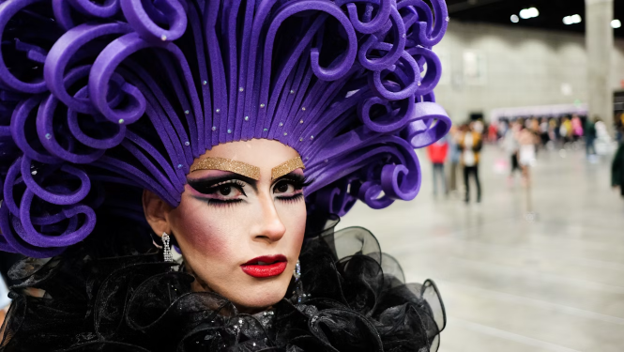
“RuPaul’s Drag Race” has flung open the doors to contemporary drag fashion, bringing drag out of underground venues and right onto our living room screens. With the show’s global following, drag has captured mainstream attention and become a key influence in pop culture and high fashion alike.
Each episode spotlights an incredible range of styles, from classic glamour to experimental couture, showing just how creative drag can be. The exposure has inspired both designers and fans, making drag fashion more visible, celebrated, and influential than ever before.
Fashion’s biggest names have started to take notice, sparking some exciting collaborations. Designers like Jean Paul Gaultier and Alexander McQueen have tapped into drag’s daring attitude and unmissable flair, weaving bold looks and statement pieces into their own collections. At the same time, queens are owning the catwalk, showing the fashion crowd that drag is as much about artistry as it is about style.
These creative exchanges have helped shake up old ideas and challenge the industry’s standards. What you see on runways now—unexpected combinations, larger-than-life silhouettes, ruffle organza layers, and fearless self-expression—often owes a nod to drag culture. With drag fashion front and centre, self-identity and originality are celebrated, and fashion’s future is looking a lot less predictable and far more exciting.
The Future of Drag Fashion
Drag fashion is hurtling into the future with technology and eco-conscious thinking at its centre. Designers are getting creative with 3D printing and interactive textiles, opening up space for out-of-the-box designs that truly let drag artists show off their personalities. Augmented reality and digital catwalks are adding brand new stages for performers and fans alike—no need to be in the front row to get the full effect anymore.
Green thinking is quickly gaining ground, too. More drag artists are reusing materials or turning to planet-friendly fabrics, proving that glamour doesn’t have to come at the environment’s expense. This isn’t just about keeping up with wider industry trends—it highlights drag’s power to lead the way in making fashion dazzling and responsible in equal measure.
All this innovation hasn’t gone unnoticed. Big-name couture houses are collaborating with drag performers, blending drama and storytelling into their collections. The influence works both ways, with the mainstream lifting ideas from drag’s courage and creativity. Judging by current trends, drag isn’t just adapting to the future of style—it’s helping set the agenda.
(184)
Zahirul Islam BUTEX