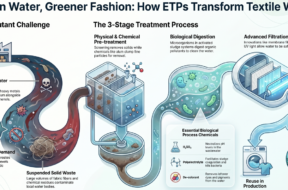
Effluent is the excess chemical liquor discharged from an industry after its original use. Industrial effluent, which contains environmentally harmful materials, is treated with chemicals to neutralize or remove these toxins. This treatment occurs in an Effluent Treatment Plant (ETP). Nowadays, having an ETP is common for export-oriented factories due to compliance requirements and strict government regulations on environmental issues.
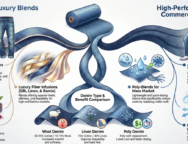
Sustainable Chemicals for the Garment Washing Industry: Paving the Way for a Greener Future
The garment washing industry plays a crucial role in the fashion and textile sectors, contributing to the final appearance and feel of clothing. However, traditional washing processes often involve high amounts of water, energy, and chemicals, leading to significant environmental challenges. In response to growing concerns about sustainability, the industry is embracing innovative and eco-friendly alternatives, particularly in the use of sustainable chemicals. These chemicals are designed to reduce environmental impact while maintaining the high quality of garment finishes that consumers expect.
Zero PP Technology in Denim Washing: A Sustainable Solution for the Textile Industry
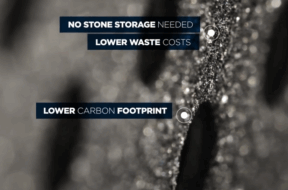
Zero PP technology refers to innovative processes that eliminate potassium permanganate (KMnO4) in denim washing. Potassium permanganate, a widely used bleaching agent, raises environmental concerns due to its toxicity and non-biodegradability. Zero PP technology uses alternative methods and chemicals to replicate the bleaching effect while maintaining sustainability. This technology reduces the environmental footprint by eliminating harmful chemicals and minimizing water and energy consumption.
Laser Technology: Paving the Way for Sustainable Denim Washing
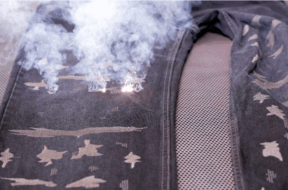
The global demand for denim continues to rise, particularly among the younger generation who prefer washed, faded, and distressed jeans over solid-color denim. However, traditional denim washing techniques consume vast amounts of water and chemicals, posing significant environmental challenges. With growing concerns over global warming and ecological hazards, the fashion industry is shifting towards sustainable alternatives. One of the most revolutionary advancements in this field is the adoption of laser technology, which reduces water and chemical usage while enhancing efficiency in denim processing.
Ozone Technology in Garments Washing: A Sustainable Approach
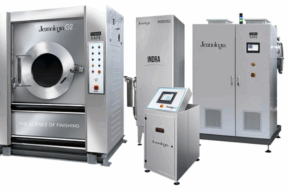
The textile industry, particularly denim washing, has witnessed a paradigm shift with the introduction of ozone technology. This innovation has redefined sustainability by minimizing chemical usage, reducing water consumption, and enhancing process efficiency. Among the pioneers in this field, Ozon Denim has made remarkable advancements with its plasma modular ozone generators, ensuring consistent and high-quality denim washes.
E-Flow: E-Flow Technology and Sustainability in the Garments Washing Industry: Nano Bubble Technology
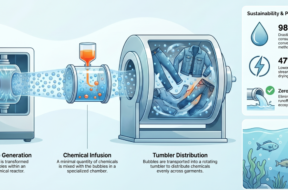
E-Flow is an innovative sustainable garment finishing technology** that utilizes nano bubbles to transfer chemicals onto fabric surfaces with minimal water usage. Unlike conventional wet processing methods that rely on large volumes of water, E-Flow employs air and a small amount of water to achieve desired effects like softness, color fading, and controlled shrinkage in garments. This ensures zero discharge of pollutants into the environment.
Sustainability in the Washing in Garment Industry : EIM Score
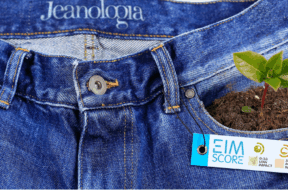
The textile and apparel industry is one of the largest consumers of water and energy while contributing significantly to environmental pollution. Garment finishing, especially in denim washing, involves excessive use of water, chemicals, and energy, leading to a substantial environmental footprint. To address these challenges, Jeanologia, a Spanish company specializing in sustainable textile solutions, developed the EIM (Environmental Impact Measurement) Score. This tool helps brands and manufacturers assess, monitor, and improve their environmental impact in garment finishing processes.
Mastering Waterproof Performance: A Deep Dive into Fabric Waterproof Testers and Hydrostatic Pressure Testers
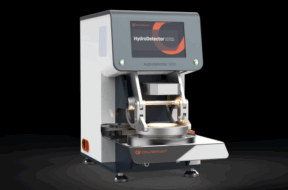
In today’s textile industry, the demand for high-performance waterproof fabrics continues to grow, driven by sectors ranging from outdoor gear and protective clothing to military applications and smart textiles. Accurate waterproof testing is essential for ensuring product quality and consumer satisfaction. Among the most critical tools for this purpose are the Fabric Waterproof Tester and the Hydrostatic Pressure Tester. These instruments play a pivotal role in determining how well a fabric resists water penetration under various conditions.
Cost Saving in Cotton Spinning: Energy Efficiency and Innovative Solutions
Cost Saving Opportunities in Cotton Spinning: Energy Efficiency and Innovative Solutions In the cotton spinning process, reducing expenses is crucial for maximizing profitability and sustainability. This blog explores various cost-saving measures, focusing on electric power and water consumption, as well as alternative solutions for costly parts. By adopting these strategies, spinning mills can improve their […]
Solar Hot Water Use in Textile, Paper, poultry Feed and etc. Industry
Solar Hot Water Use in Textile, Paper, poultry Feed and etc. Industry Why is solar hot water not utilized as an opportunity to reduce energy costs in industries such as dyeing or those using boilers, despite its potential advantages? whereas: Solar hot water systems can effortlessly provide hot water at temperatures ranging from 60 to […]