
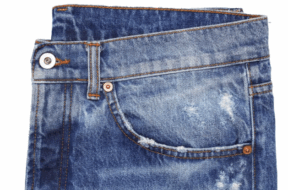
Zero PP technology refers to innovative processes that eliminate potassium permanganate (KMnO4) in denim washing. Potassium permanganate, a widely used bleaching agent, raises environmental concerns due to its toxicity and non-biodegradability. Zero PP technology uses alternative methods and chemicals to replicate the bleaching effect while maintaining sustainability. This technology reduces the environmental footprint by eliminating harmful chemicals and minimizing water and energy consumption.
Yarn Engineering
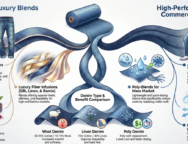
Ozone Technology in Garments Washing: A Sustainable Approach
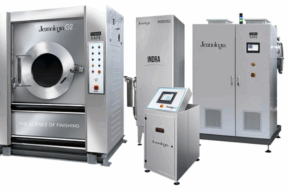
The textile industry, particularly denim washing, has witnessed a paradigm shift with the introduction of ozone technology. This innovation has redefined sustainability by minimizing chemical usage, reducing water consumption, and enhancing process efficiency. Among the pioneers in this field, Ozon Denim has made remarkable advancements with its plasma modular ozone generators, ensuring consistent and high-quality denim washes.
E-Flow: E-Flow Technology and Sustainability in the Garments Washing Industry: Nano Bubble Technology
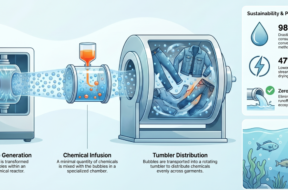
E-Flow is an innovative sustainable garment finishing technology** that utilizes nano bubbles to transfer chemicals onto fabric surfaces with minimal water usage. Unlike conventional wet processing methods that rely on large volumes of water, E-Flow employs air and a small amount of water to achieve desired effects like softness, color fading, and controlled shrinkage in garments. This ensures zero discharge of pollutants into the environment.
Cost Saving in Cotton Spinning: Energy Efficiency and Innovative Solutions
0shares Facebook Twitter LinkedIn Tumblr Digg Print Reddit Weibo Xing Blogger MySpace Cost Saving Opportunities in Cotton Spinning: Energy Efficiency and Innovative Solutions In the cotton spinning process, reducing expenses is crucial for maximizing profitability and sustainability. This blog explores various cost-saving measures, focusing on electric power and water consumption, as well as alternative solutions […]
Energy Saving in Blow Room and Carding Rotary Filter: A Cost-Effective Solution for Spinning Mills
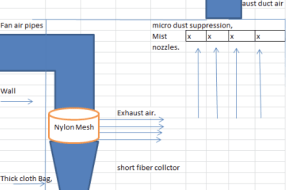
0shares Facebook Twitter LinkedIn Tumblr Digg Print Reddit Weibo Xing Blogger MySpace Energy Saving in Blow Room and Carding Rotary Filter: A Cost-Effective Solution for Spinning Mills Energy conservation and cost reduction are paramount concerns for every spinning mill. Among various energy-consuming processes, the blow room and carding operations stand out as major consumers. In […]
Types of Calenders in Textiles
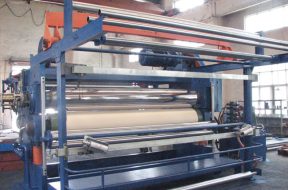
0shares Facebook Twitter LinkedIn Tumblr Digg Print Reddit Weibo Xing Blogger MySpace Types of Calenders in Textiles With the simultaneous action of temperature, force and moisture, the surface of the textile substrate are modified. This simultaneous action is called calendering. Calendering in textile may simply be achieved while passing the textile substrate in between two […]
Naturally Colored Cotton
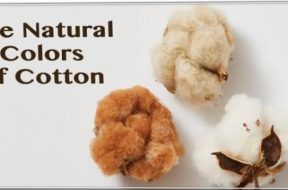
0shares Facebook Twitter LinkedIn Tumblr Digg Print Reddit Weibo Xing Blogger MySpace Naturally Colored Cotton Naturally colored cotton is cotton that has been bred to have colors other than the yellowish off-white typical of modern commercial cotton fibres. Colors grown include red, green and several shades of brown. The cotton’s natural color does not fade. […]
Zein Fibre
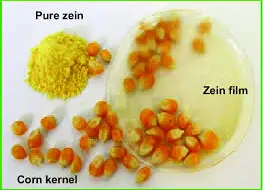
0shares Facebook Twitter LinkedIn Tumblr Digg Print Reddit Weibo Xing Blogger MySpace Zein Fibre | Physical and Chemical Properties of Zein Fibre | Production of Zein fibre Zein Fibre Regenerated protein fibers made from corn and maize. Zein fibers were commercially sold as Vicara from 1948 to 1957. They were made with the crushed meal […]
Groundnut Fibre
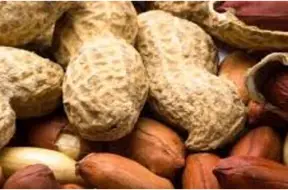
0shares Facebook Twitter LinkedIn Tumblr Digg Print Reddit Weibo Xing Blogger MySpace Groundnut Fibres | Chemical Structure of Groundnut Fibre | Production of Groundnut Fiber One of the most likely sources of vegetable protein for fiber production was groundnuts, which grow as a staple product in many of the hot, humid regions of the world. […]
Colour Fastness of Textiles | Color Fastness To Washing
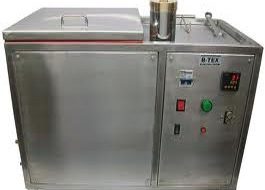
0shares Facebook Twitter LinkedIn Tumblr Digg Print Reddit Weibo Xing Blogger MySpace Colour Fastness of Textiles | Color Fastness To Washing Colour Fastness The resistance of colour of textiles to fade or bleed against different agencies such as light, wash,water, perspiration, rubbing, acid, alkali,hot pressing, bleaching etc. is called colour fastness. Colour fastness is a term used […]